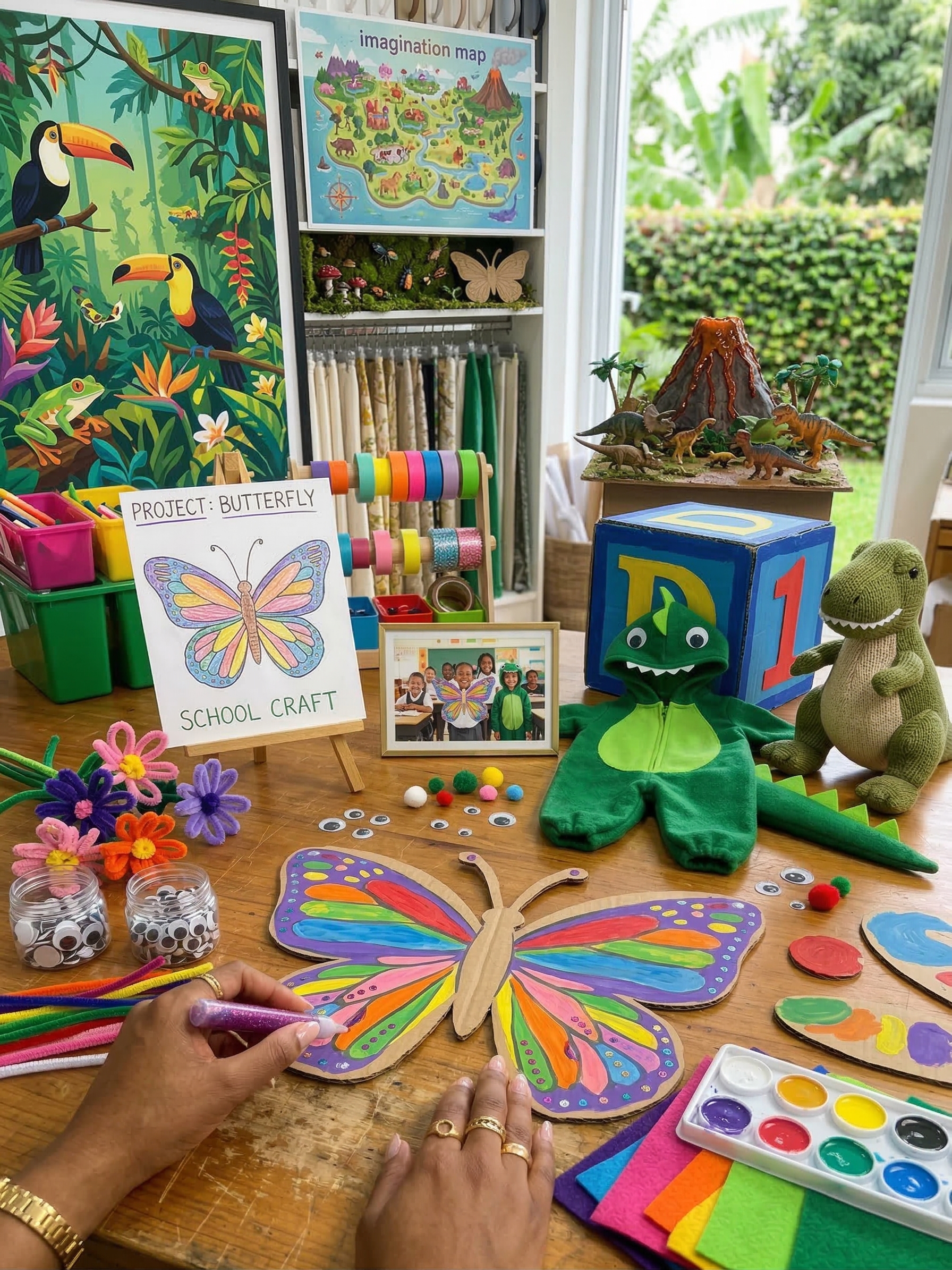
Let's be honest. When your child comes home with a note that says "Please create a diorama of the solar system using only recyclable materials, due Thursday," your first reaction is not joy. It's not excitement. It's a very specific kind of parental dread that sits somewhere between "I have no glue sticks" and "Why is this always due the same week as everything else?"
You are not alone. Every parent in Jamaica — and probably every parent on earth — has experienced the school craft project panic. The 9 PM trips to the stationery shop. The glitter that somehow gets into the rice cooker. The moment you realise you've accidentally done 90% of the project yourself and your child's only contribution was choosing the colour blue.
This article is for you. Not the Pinterest-perfect parents who seem to have a craft room and a laminating machine. The rest of us. The ones who are just trying to get through it with our sanity intact and our children's self-esteem unharmed.
The Real Pressure Behind School Crafts
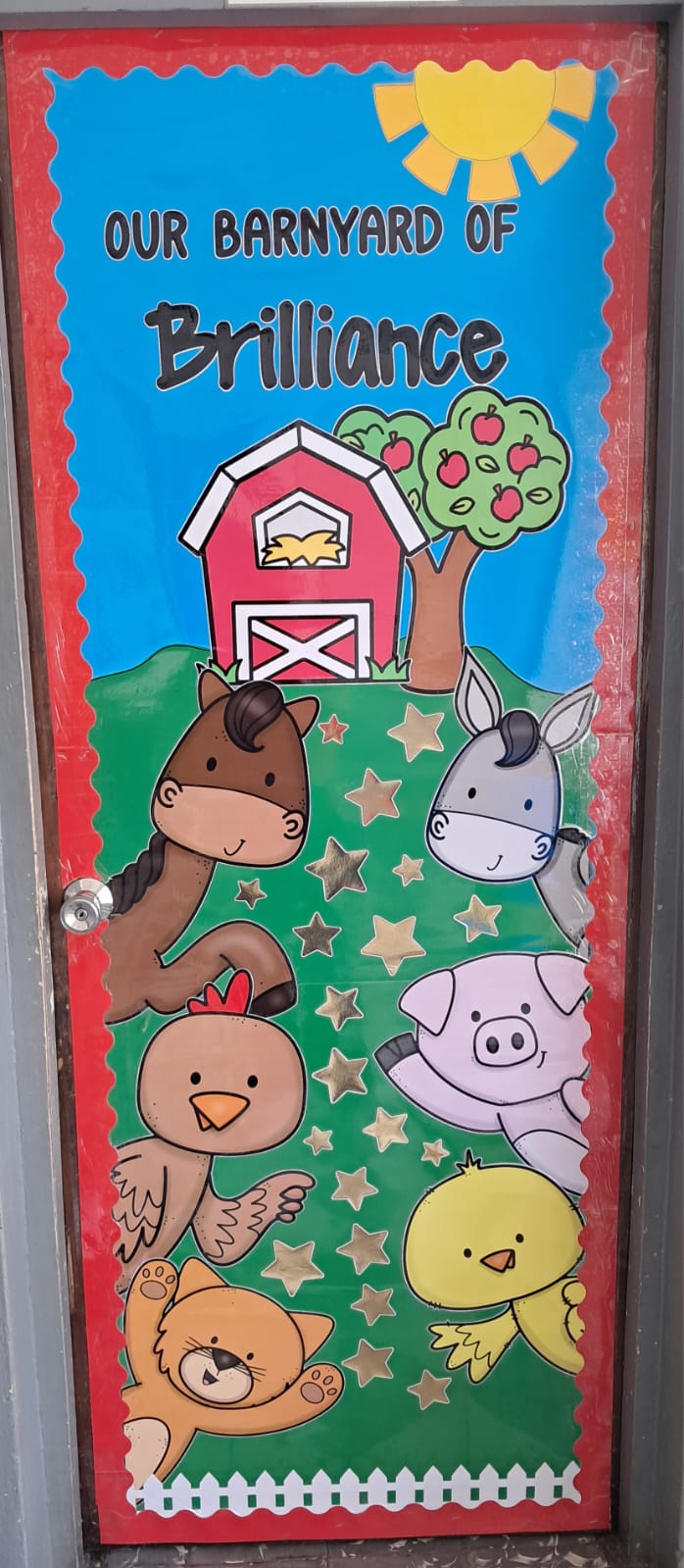
Here's the thing nobody talks about: school craft projects create a strange kind of competitive pressure among parents. When your child's volcano looks like a sad mound of newspaper and the next child's looks like it was built by a structural engineer, it's hard not to feel like you've failed somehow. But you haven't. You really, truly haven't.
The purpose of school craft projects is for children to learn through making — to develop fine motor skills, creative thinking, problem-solving, and the ability to follow instructions. It's not a competition for parents. It never was. The messy, imperfect project that your child actually made with their own hands is infinitely more valuable than the flawless one that a parent stayed up until midnight constructing.
Top 5 Tips for Surviving (and Actually Enjoying) School Crafts
Keep a Craft Box Ready at All Times
Prevention is better than cure. Keep a dedicated box or bag stocked with the essentials: glue sticks, a glue gun (game-changer), scissors, coloured paper, cardstock, markers, paint, brushes, tape, string, and a bag of miscellaneous decorative bits — buttons, beads, ribbon, fabric scraps. When the next project note comes home, you're already halfway there. Restock the box after every project so you're never caught out.
Embrace "Good Enough"
Your child's project does not need to look like it belongs in a gallery. It needs to look like a child made it — because a child should make it. Guide them, help them with the tricky parts (hot glue is a parent's job), but let them do the cutting, the colouring, the arranging, and the decision-making. A wonky tree made by an 8-year-old is perfect. It's exactly what it should be.
Turn Craft Time into Together Time
Instead of dreading the project, try reframing it as quality time with your child. Put on some music, clear the dining table, lay down newspaper (crucial step), and work together. Ask your child about their ideas. What do they want it to look like? What's their favourite part of the topic? You might be surprised by their creativity when they feel supported rather than directed. Some of the best conversations happen over a messy craft table.
Ask for Help When You Need It
There's no shame in admitting that some projects are beyond your skill set. If the school wants a papier-mache globe and you can barely fold a paper aeroplane, it's okay to ask for help. Phone a crafty friend, watch a YouTube tutorial together with your child, or reach out to a professional crafter. At Lulu's Workshop, we regularly help parents with school projects — from classroom door decorations to celebration banners for school events. It takes a village, and we're part of yours.
Read the Project Notes Earlier Than You Think
This one is painfully simple but critically important. Read the project note the day it comes home. Not the night before it's due. Not when your child mentions it casually over dinner the evening before. The day it arrives. This gives you time to plan, gather materials, and spread the work over several sessions instead of one frantic all-nighter. Future you will be deeply grateful.
What Lulu's Workshop Offers for Schools and Families
We understand the unique demands that schools and families face when it comes to craft projects and event decor. Here's how we can help:
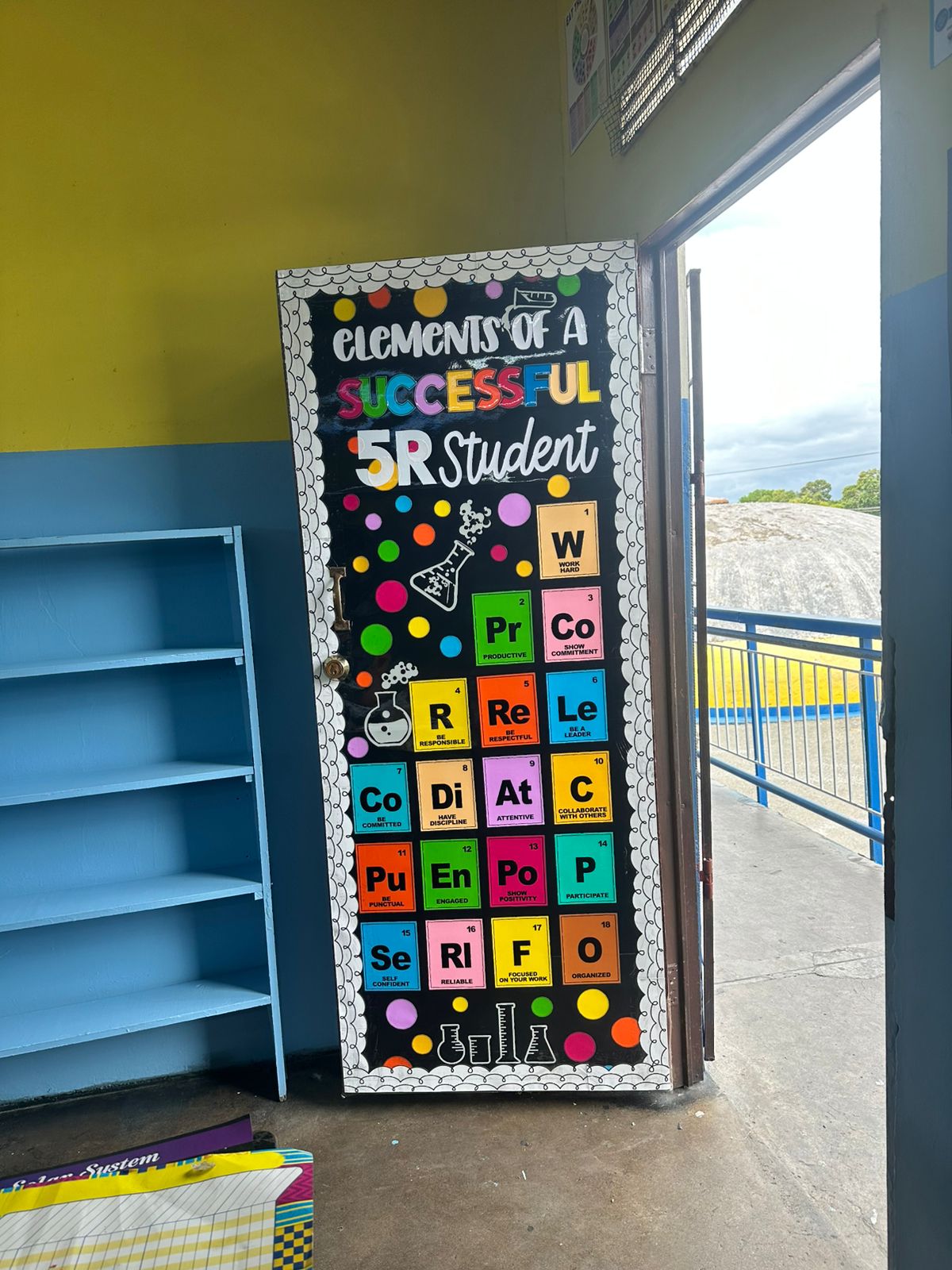
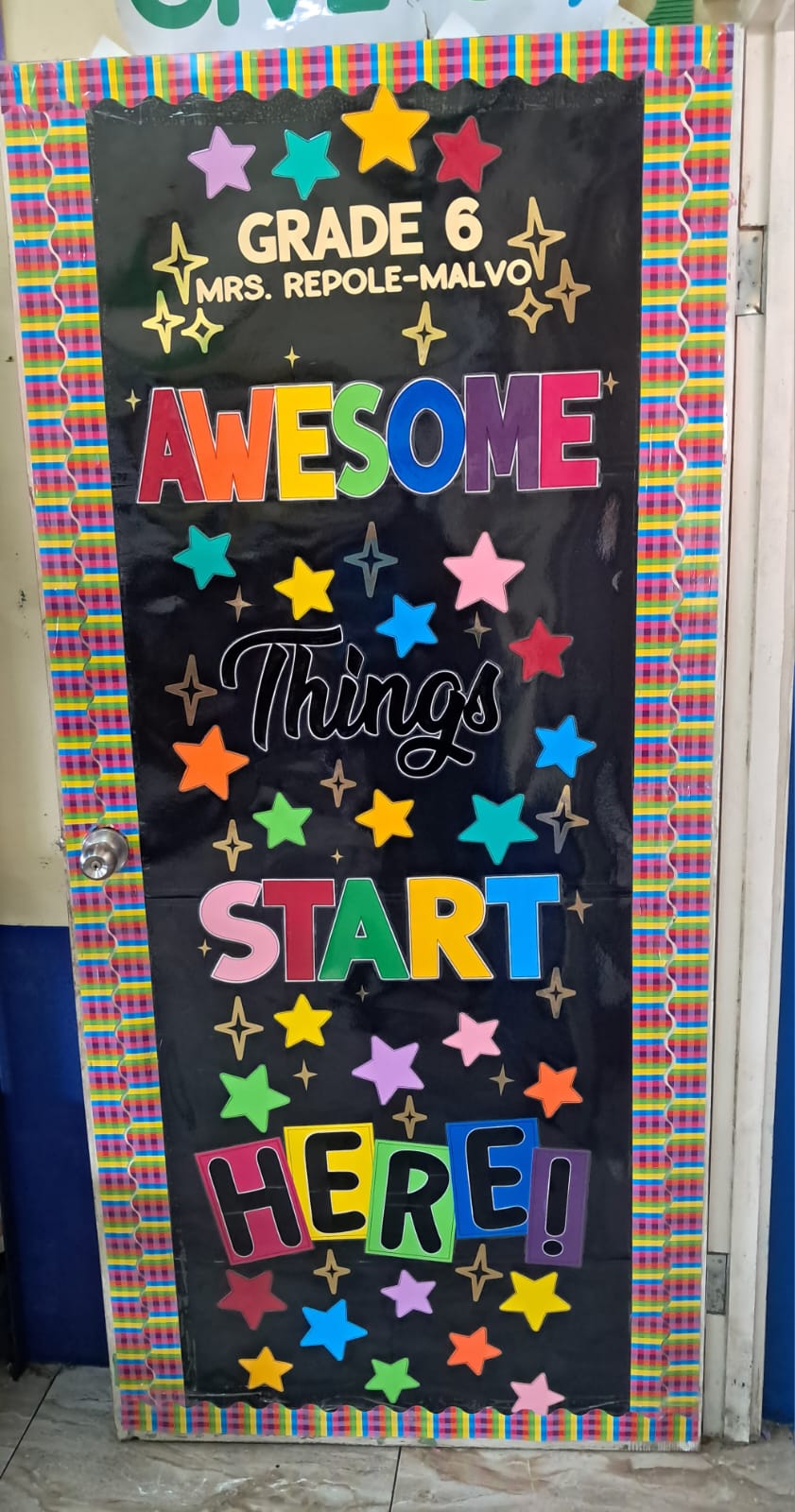
- Classroom Door Decorations: Teachers and parents often collaborate on classroom door displays for holidays, book week, or themed events. We create custom door decorations that are vibrant, durable, and tailored to any theme. From "Under the Sea" to "Black History Month," we've done it all.
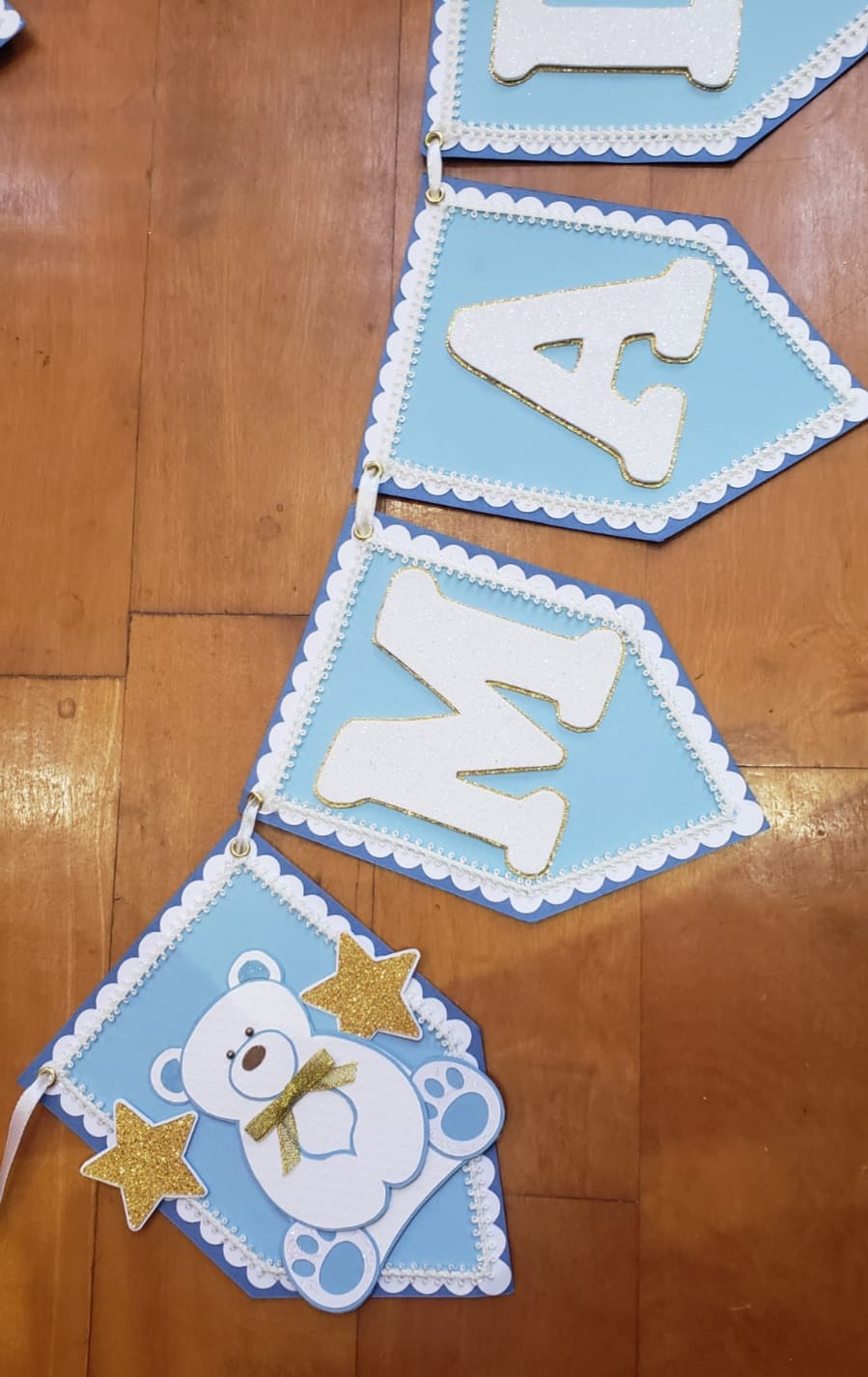
- School Event Banners: Sports day, graduation, school fairs — every school event needs signage and decor. Our custom pennant banners and celebration signs add colour and festivity to any school occasion.
- Craft Kits for Families: We're developing pre-packaged craft kits that include all the materials and instructions needed for popular school projects. Everything in one box, no last-minute trips to the shop required.
- Custom Orders for Teachers: Teachers who want to go above and beyond in their classroom decor can work with us to create custom pieces that inspire and engage students.
The Bigger Picture
At the end of the day, school craft projects are about more than the finished product. They're about the process — the thinking, the making, the problem-solving, and yes, the mess. They're about your child learning that they can create something with their own hands, and that it doesn't have to be perfect to be valuable.
And they're about you, the parent, showing up. Not with a flawless Pinterest-worthy creation, but with patience, encouragement, and a willingness to sit at the table and figure it out together. That's the real craft.
So the next time that project note comes home, take a deep breath. Open the craft box. Put on some Bob Marley. And remember: you've got this. And if you don't, we've got you.
Browse Our School Crafts Range
Classroom decorations, school event banners, and craft supplies — all handmade in Jamaica with families and schools in mind.
Explore School Crafts